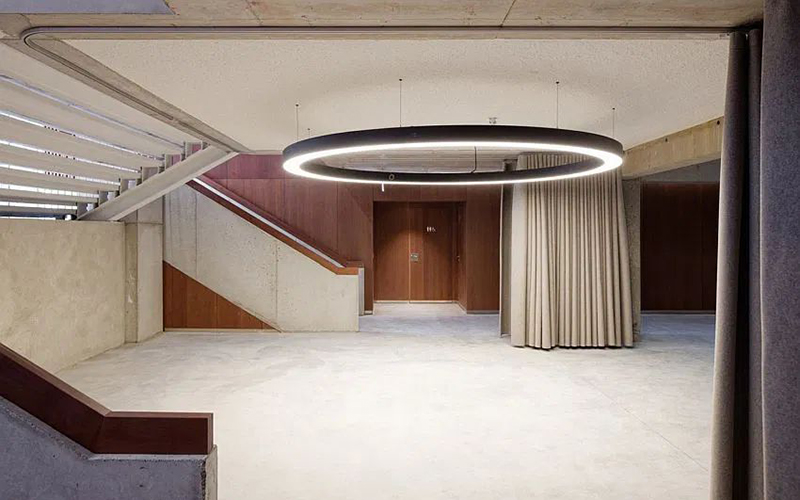
Project: AstraZeneca’s new research and development site
Architect: HOK
Location: Cambridge – USA

Project: AstraZeneca’s new research and development site
Architect: HOK
Location: Cambridge – USA
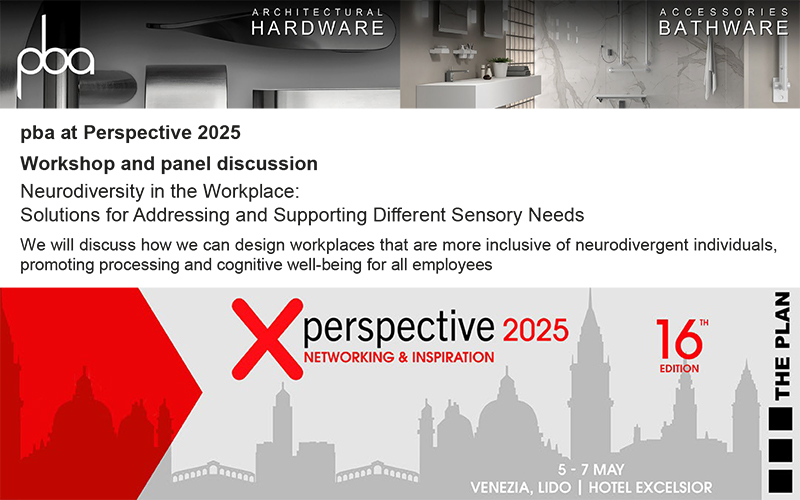
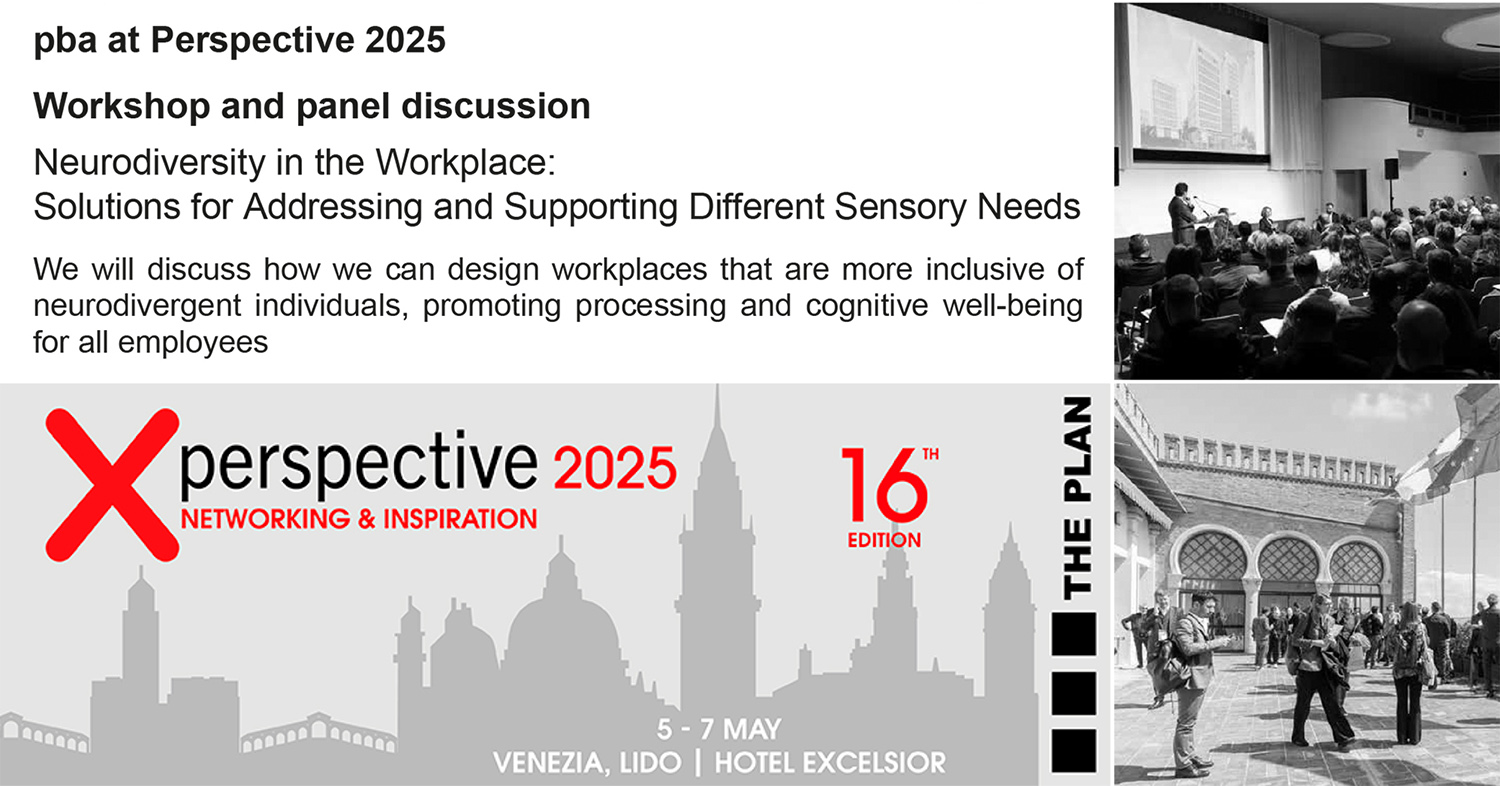
pba to be part of PERSPECTIVE 2025: International Architecture and Interior Design Forum. A privileged and exclusive key opportunity to understand and keep a step ahead of new architectural trends.
pba is taking part in the program with an insightful workshop:
Neurodiversity in the Workplace: Solutions for Addressing and Supporting Different Sensory Needs.
With a focus on products, pba will share insights into how its last collections have redefined inclusivity in product design, paving the way for more accessible and equitable solutions.
05-07 May | Venezia, Lido | Italy
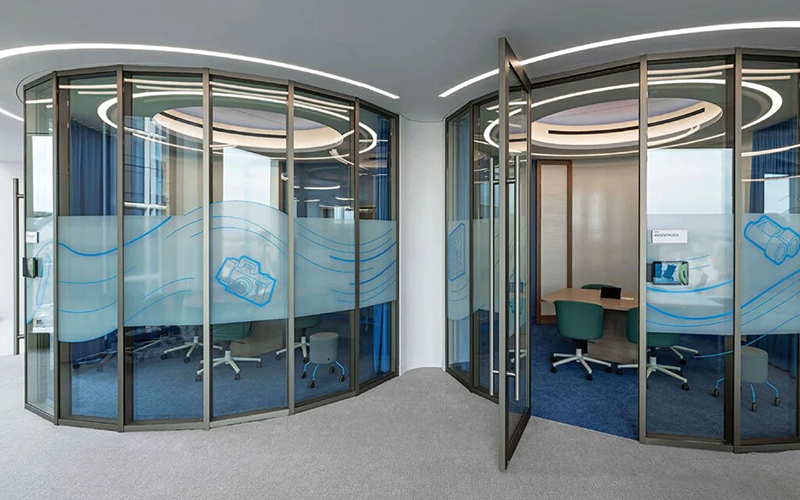
Project: LEGO Group Boston Hub
Architects: BDG Architecture + Design
Location: Boston – USA
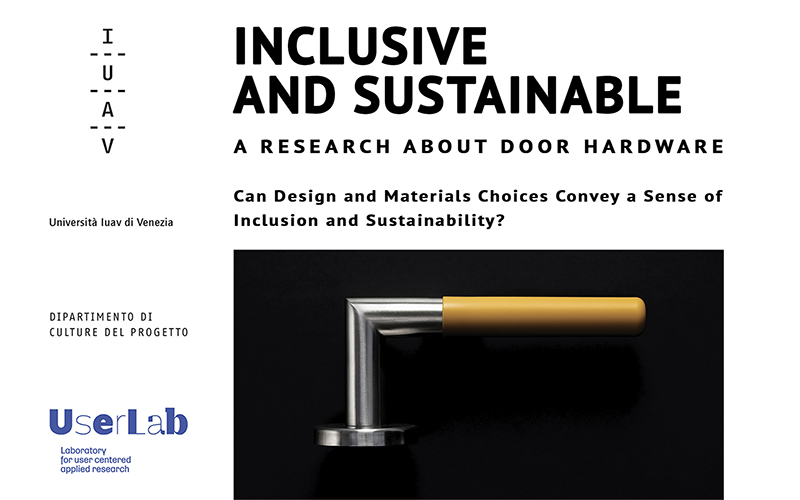
Discover the results of the innovative research conducted by pba and IUAV University of Venice.
The research conducted by pba and IUAV University of Venice explores how inclusiveness and sustainability are represented through the TOCCO collection of door handles, made from steel and ECONYL®. The collection offers a wide range of colors and textures to accommodate various tactile and visual preferences, promoting a sensory-inclusive environment. ECONYL® nylon is used for its recyclability and eco-friendly properties, contributing to sustainability by repurposing waste materials.
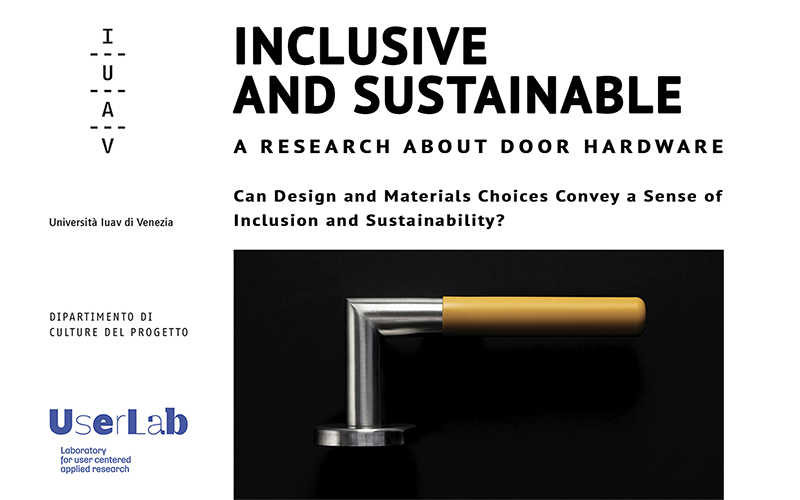
The project emphasizes the significance of social sustainability alongside economic and environmental aspects, recognizing the importance of neurodiversity in design. By fostering adaptable spaces, the design encourages participation and upholds the dignity for all individuals.
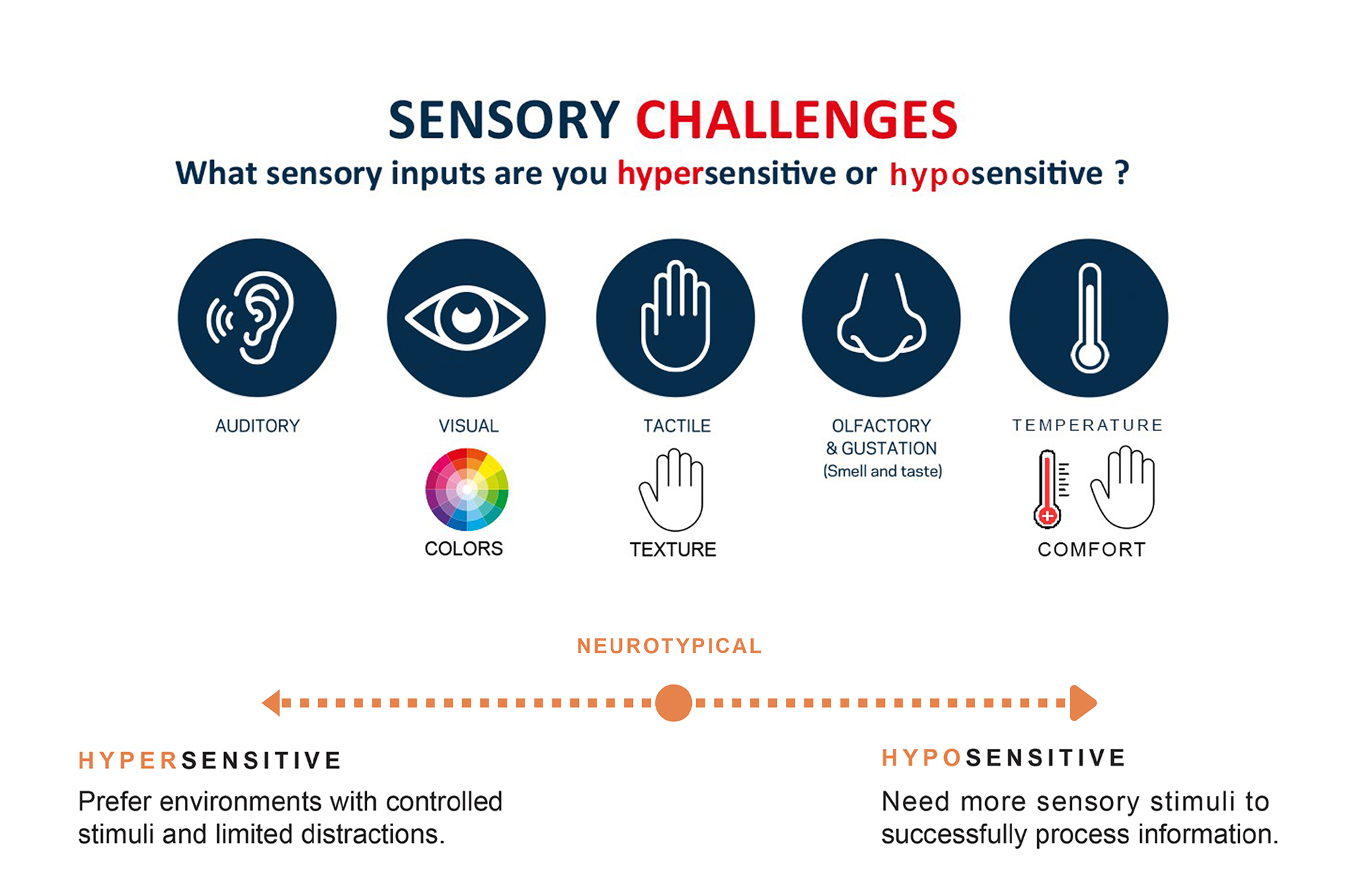
Implementing sustainable cooperation and participation, deeply rooted in culture, is closely linked to social sustainability. Sustainable development must consider a multitude of components, including economic, environmental, and social factors. While sustainability has often focused on economic and environmental aspects, it is increasingly essential to encompass social factors in discussions of community development. Moreover, when addressing inclusivity, it is vital to incorporate the needs of neurodiverse individuals. Sensory Inclusive Design aims to address the sensitivities of neurodiverse people towards perceptive and sensory stimuli.
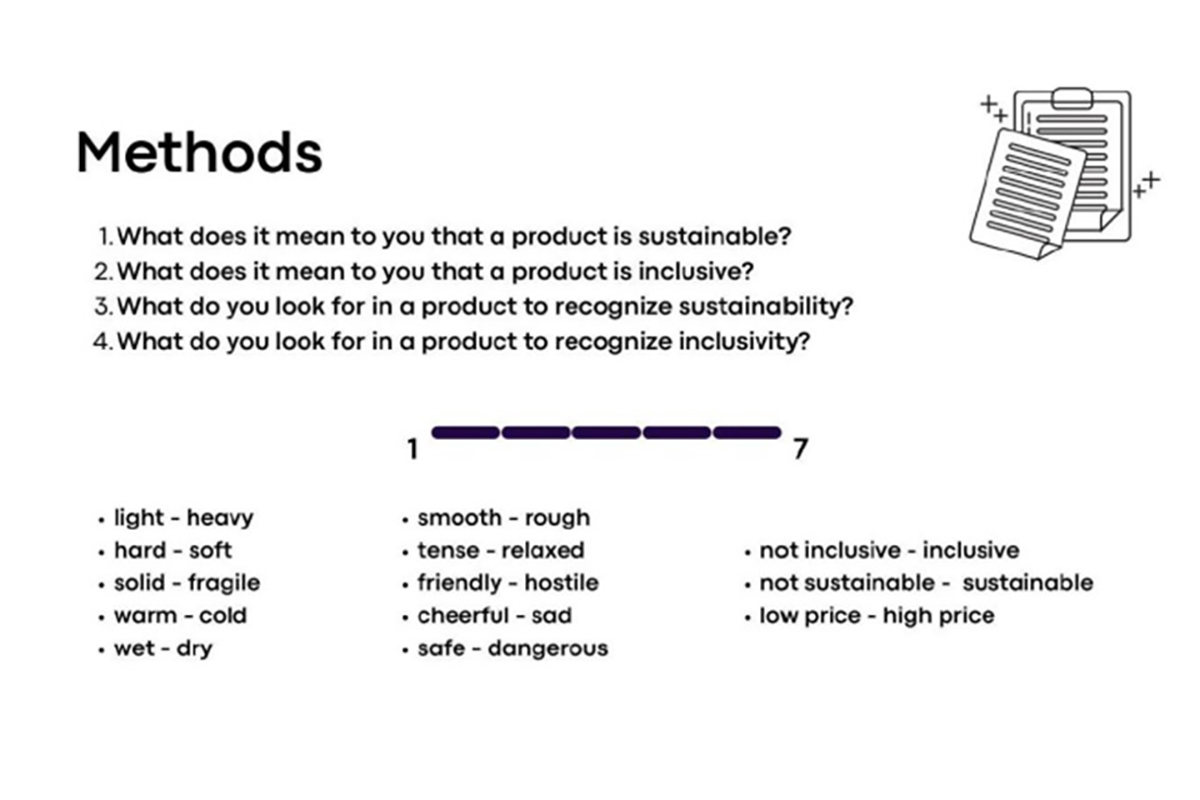
Additionally, the research aims to further explore perceptions of inclusivity and sustainability among different groups, classifying its components into measurable variables. A psychophysical study evaluated the significance of these variables in expressing inclusivity and sustainability, while a questionnaire was used to identify overlooked categories of inclusivity and their links to tertiary-expressive qualities. Overall, the project aims to deepen the understanding of inclusive and sustainable design and its impact on community well-being.
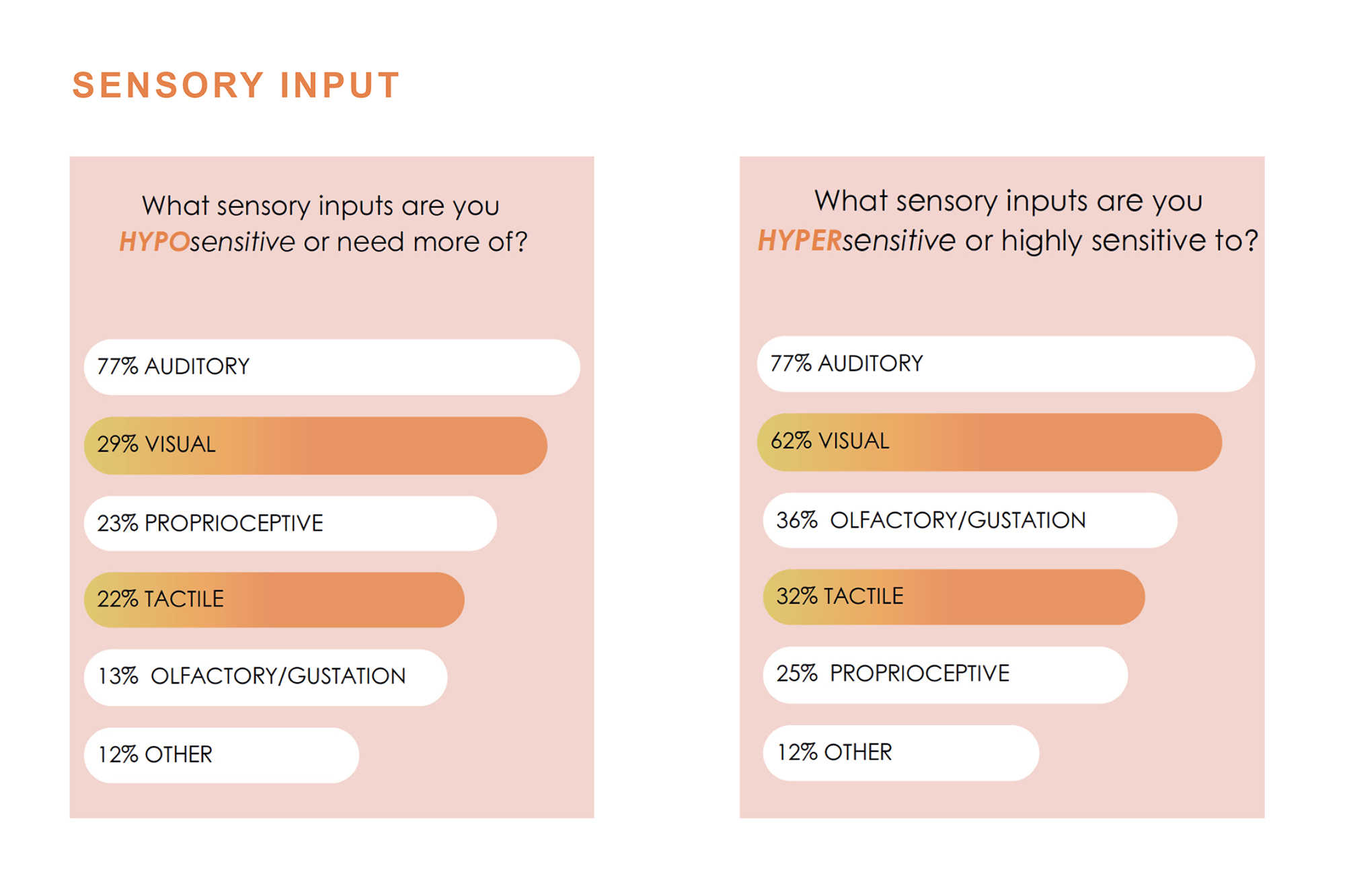
Furthermore, TOCCO hardware components are designed to be interchangeable and employ standard fixing systems, allowing them to be seamlessly integrated into renewal projects without the need to replace existing doors or components. This sustainable, interchangeable, and sensory-sensitive nature of the Tocco collection reflects a deep commitment to sustainability in all its aspects. By offering neurodiverse and neurotypical individuals the ability to choose from various situations and environments within the same space, designers can uphold dignity and autonomy. Creating versatile and adaptable environments not only accommodates individual preferences but also combats stigma and segregation, promoting equality and integration, which ultimately enhances perceived well-being. This holistic approach underscores the importance of inclusivity in interior design as a means of fostering sustainable and supportive communities.
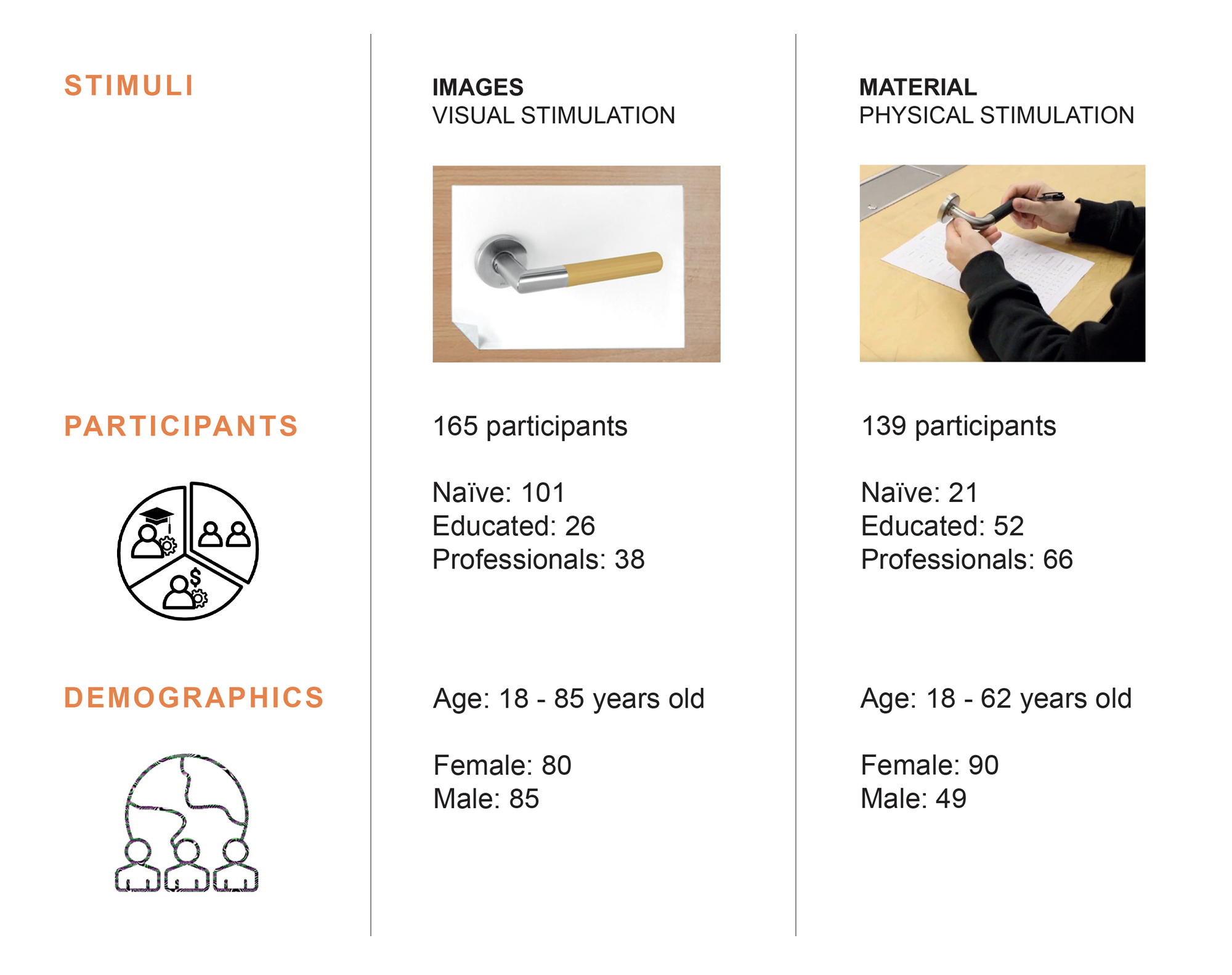
Discover the final results of the research about the communication of inclusiveness and sustainability of TOCCO Collection, through tertiary-expressive properties. Contacts our team to receive the Results Research Document: marketing@pba.it
The research results were presented during the Lectio Magistralis held at the University of Venice IUAV in the presence of the scientific committee of the Department of Architecture. During the event, Prof. Michele Sinico, Dr. Sophia Diaz, Dr. Samantha Barbolan, and Dr. Aristea Klanac shared the methods used and the outcomes achieved, engaging in a dialogue with Erica Anesi, CEO of pba S.p.A., and Maria Giovanna Sandrini, CCO of Aquafil S.p.A., about the role of sustainable and inclusive design and the importance of material choices in achieving sustainable development goals. They also discussed the need to explore these aspects not only from a technical standpoint but also by questioning how the values of inclusion and sustainability should be communicated to the design world.
To be contacted by our architectural representatives to present the results to your firm, please contacts our team: marketing@pba.it
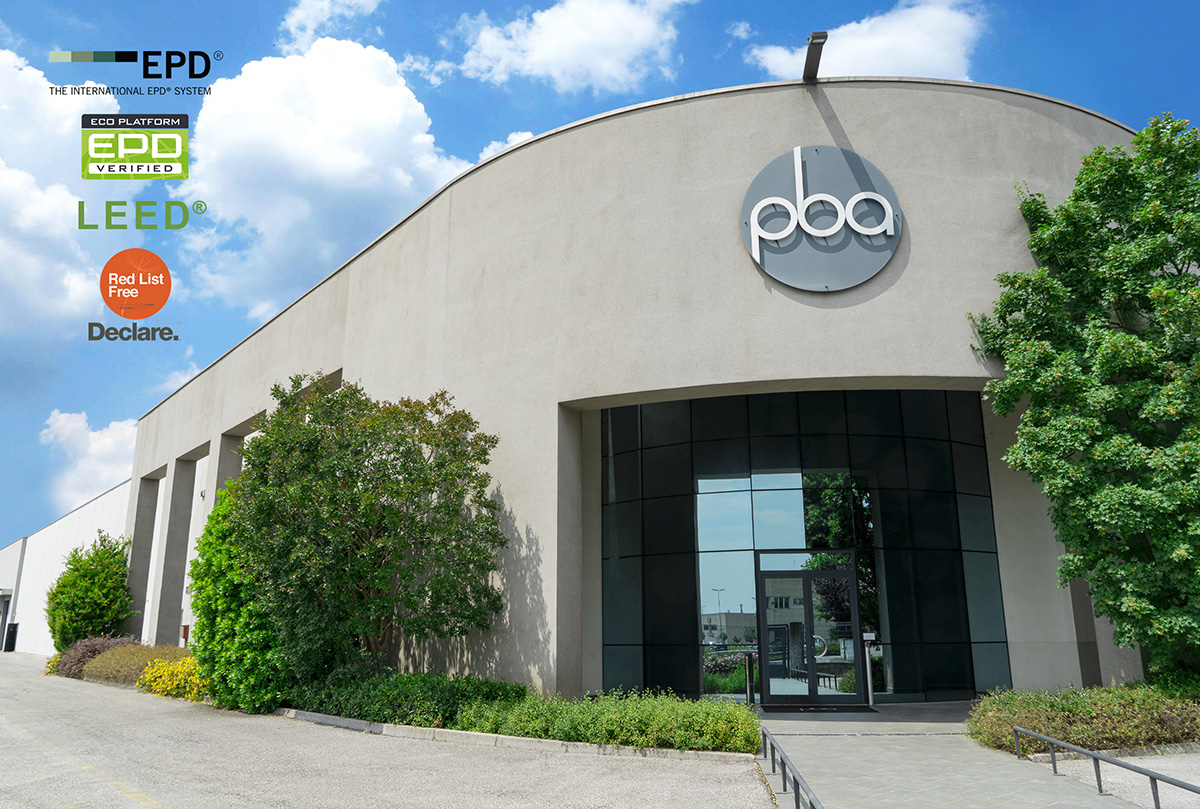
pba products contribute to LEED Certification credits for Sustainable Building, comply with REACH regulations, feature a Red List Free Declare Label, and now include Environmental Product Declarations (EPD), showcasing the company’s commitment to a sustainable future.
Buildings are a crucial element in our transition to a low-carbon future. While we cannot avoid to build — it’s where we live, rest, and work — buildings account for approximately 40% of global energy consumption and nearly one-third of greenhouse gas emissions. Ensuring that new buildings are sustainable and energy-efficient is essential for addressing climate change. Moreover, green buildings can provide benefits for employees, investors and bottom lines.
The world can and must become more efficient and sustainable, and a broader value system approach is essential to achieve this. Decarbonizing both existing and future buildings is not only beneficial for the environment, health, reputation, and labor market, but it also makes financial sense. It’s time for companies, real estate developers, regulators, and policymakers to adopt a wider perspective in their decision-making
If the purpose of an action changes, the action itself shifts as well. This new way of acting—the only approach to securing our future—can and must be certified. Sustainable building certifications, also known as green building rating tools, assess and recognize buildings that meet specific sustainability requirements or standards. These certifications acknowledge and reward companies and organizations that build and operate greener buildings, encouraging them to push the boundaries of sustainability. They help kick-start the market by setting standards that elevate the ambitions of government building codes, workforce training, and corporate strategies.
There are various ways of labeling products around the world, which makes it difficult to compare them and understand their environmental impact. Environmental Product Declarations (EPDs) are third-party verified and follow the international standards ISO 14025 and ISO 21930, as well as the European standard EN 15804. This ensures that the impact is measured consistently worldwide and adds credibility to the data provided.
pba has obtained validation and registration from the International EPD System for three Environmental Product Declarations. EPDs mark a new milestone in pba’s commitment to reducing the environmental impact of its products and services while reporting these impacts transparently. With EPDs, pba provides comparable, objective, and third-party verified data that demonstrates the environmental performance of its products.
The foundation of an EPD is a life cycle assessment (LCA) that evaluates a product’s environmental performance over its entire life cycle. It typically considers the full value chain, from material extraction to the manufactured product, its usage stage, and end of life. pba’s EPDs are registered in the International EPD System and can be downloaded from the EPD Library: https://www.environdec.com/library.
EPDs are critical for architects and planners because they provide reliable, comparable information about the environmental impact of different building products, aiding in design decisions and supporting sustainable building practices. By considering the environmental impact of products, architects can minimize the negative effects of their projects on the environment and contribute to a more sustainable built environment.
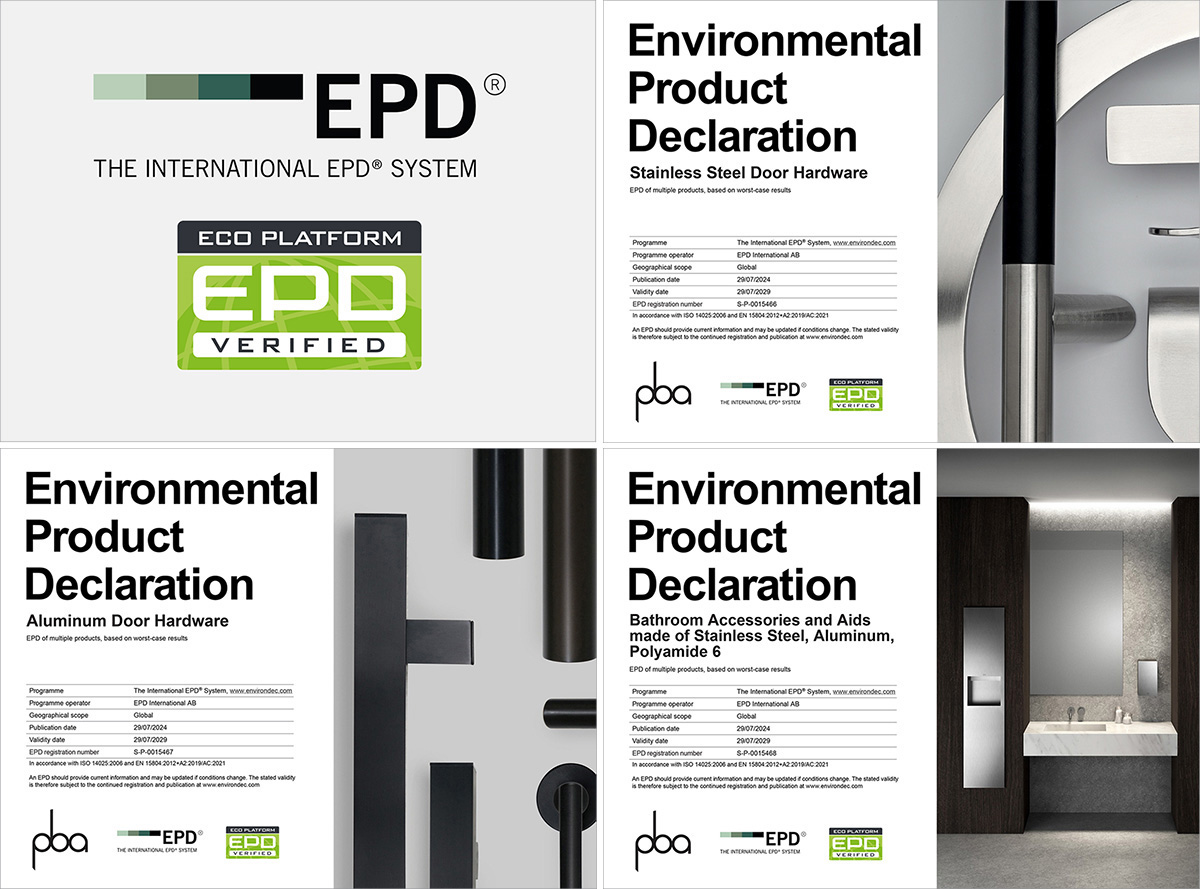
pba provides EPDs for a wide range of hardware and bathware products. These products include stainless steel door hardware – https://www.environdec.com/library/epd15466, aluminum door hardware – https://www.environdec.com/library/epd15467, and bathroom accessories and aids made of stainless steel, aluminum, and polyamide6 https://www.environdec.com/library/epd15468.
“We are very proud to have obtained this Environmental Product Declarations (EPDs) certification; it is a milestone that confirms our commitment to minimizing the environmental impact of our products. We believe that imagining, developing, producing, and bringing something new into the world is an act of responsibility that must be carefully considered. We also believe that for there to be a future, we need to make space for it. In order for others to enjoy the world, we must now relinquish our claim to occupy all the space.” says Francesca Masiero, President of pba.
Beyond EPDs, pba offers other sustainability-related product declarations and certifications that can influence an architect’s design and planning decisions to meet sustainability and green building certification goals. pba products are designed for easy disassembly and made from recyclable materials, allowing for the recycling of individual components at the end of their life cycle. These features contribute to LEED requirements and hold a Declare Red List Free label, all supporting a sustainable future.
A new milestone in our ongoing effort to create a better, more livable, and inclusive world.
“Purpose-driven design must consider environmental impact from the very beginning of the concept design phase: the way a product is designed affects its recyclability and the entire life cycle in terms of environmental costs. Debunking common myths about sustainability is essential; through a purpose-driven design process, companies can optimize cost reduction while pursuing environmental and social sustainability. Environmental sustainability and inclusion are closely interconnected: it is no longer the time to reflect on these issues; it is time to act.” says Erica Anesi, CEO of pba.
Download our Stainless Steel Door Hardware EPD
Download our Aluminum Door Hardware EPD
Download our Bathroom Accessories EPD
Project: Commonwealth Pier
Architects: CBT Architects
Location: Boston – USA
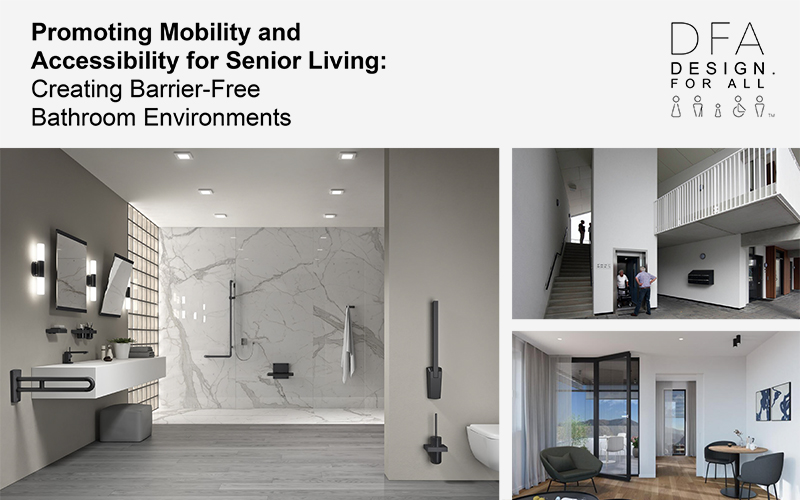
The Programma 400-ALU aluminum bathroom accessories and aids program demonstrates how elegant, thoughtfully designed products can enhance both the appearance and functionality of accessible spaces. Our barrier-free bathware accessories are thoughtfully designed to create inclusive environments that foster a life without barriers, blending functionality with aesthetic appeal. Our bathroom accessories help residents thrive by supporting personal health and creating a positive, health-conscious community environment.
Discover the 400-ALU Collection
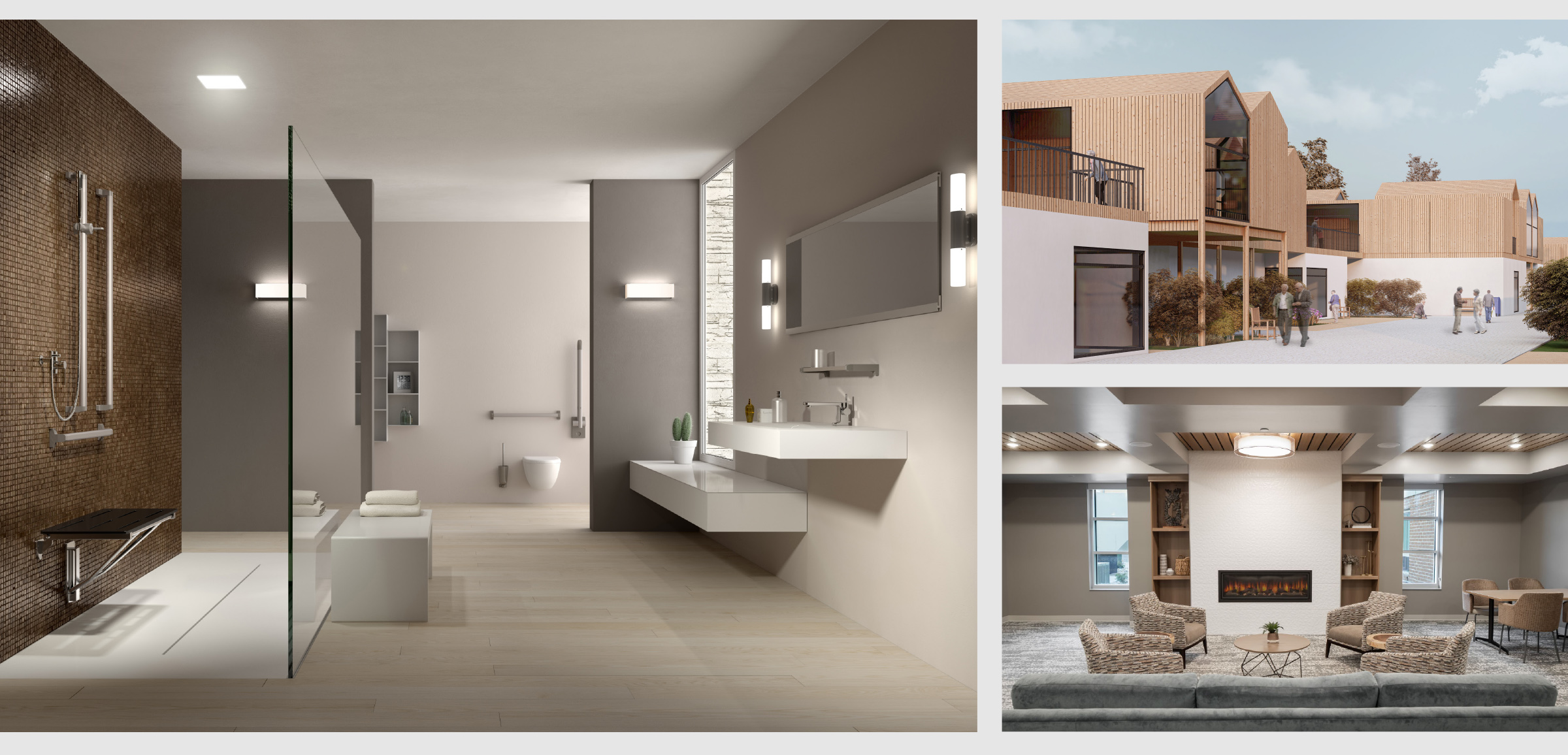
The Programma ART includes a wide range of bathroom accessories which give designer the opportunity to design accessibility without compromising between accessibility and beauty. Its scratch-resistant anodized aluminum bathroom accessories beautifully support inclusion while adding to the space’s aesthetic appeal. One of the key principles in senior living architectural design is creating spaces that promote mobility. Seniors thrive in environments that encourage movement and physical activity. Designing wide hallways, open spaces, and easily accessible amenities helps seniors stay active and promotes better health.
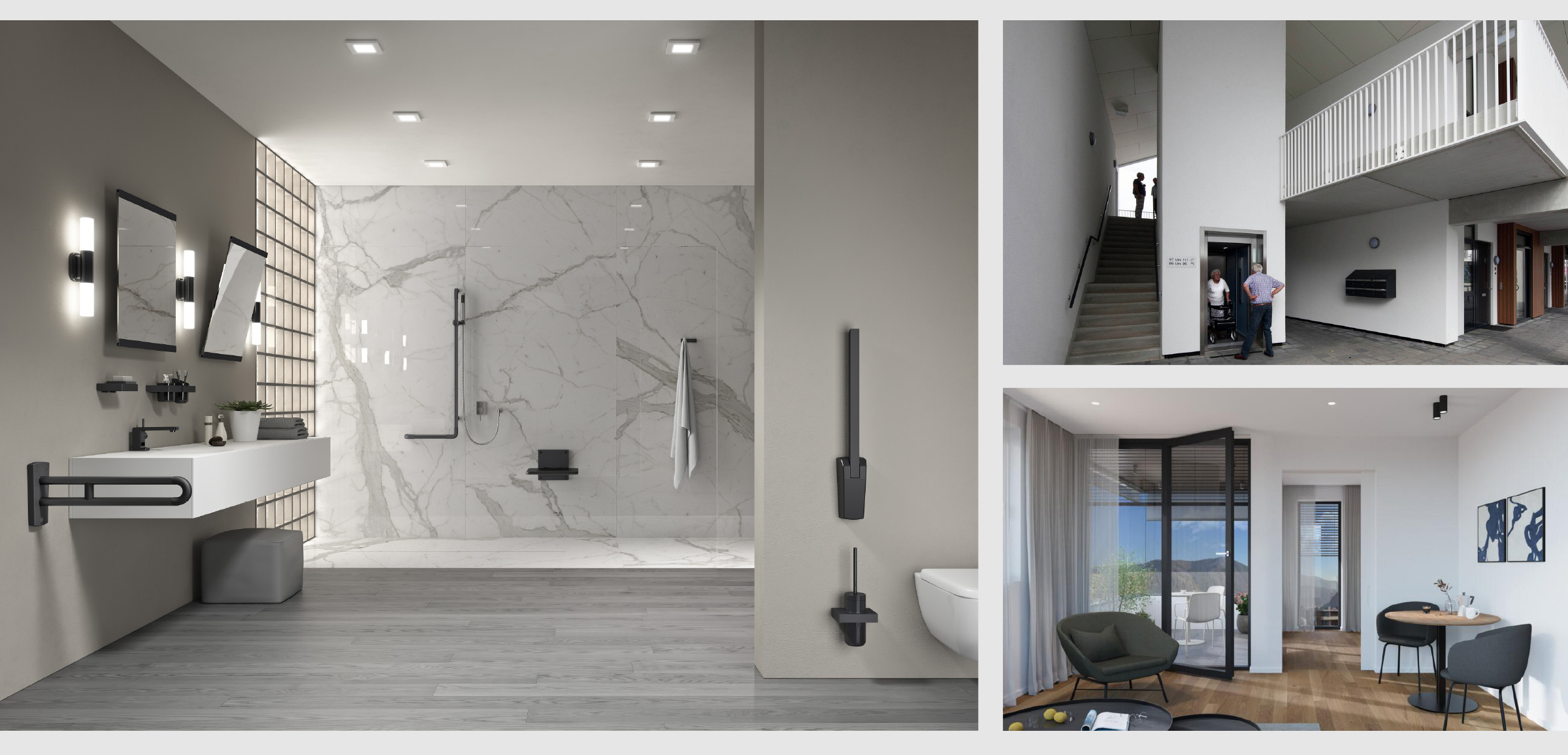
Enriching Lives Through Design:
The Evolution of Senior Living Spaces
CAP is a collection of folding bathroom accessories made from coated aluminum that, when not in use, seamlessly disappear from view. It is this “disappearance” that highlights their true purpose. The design is truly inclusive, as it doesn’t cater to a specific user profile but instead prioritizes the free movement of all individuals, enhancing the overall interior without compromise. New senior living residences have evolved into modern, luxurious, and inviting spaces for residents to call home. Today’s luxury is defined by simplicity—crisp, clean lines and sleek, contemporary finishes that create a sense of elegance and comfort. The new generation of seniors expects nothing less than modern, sophisticated design and high-end amenities.
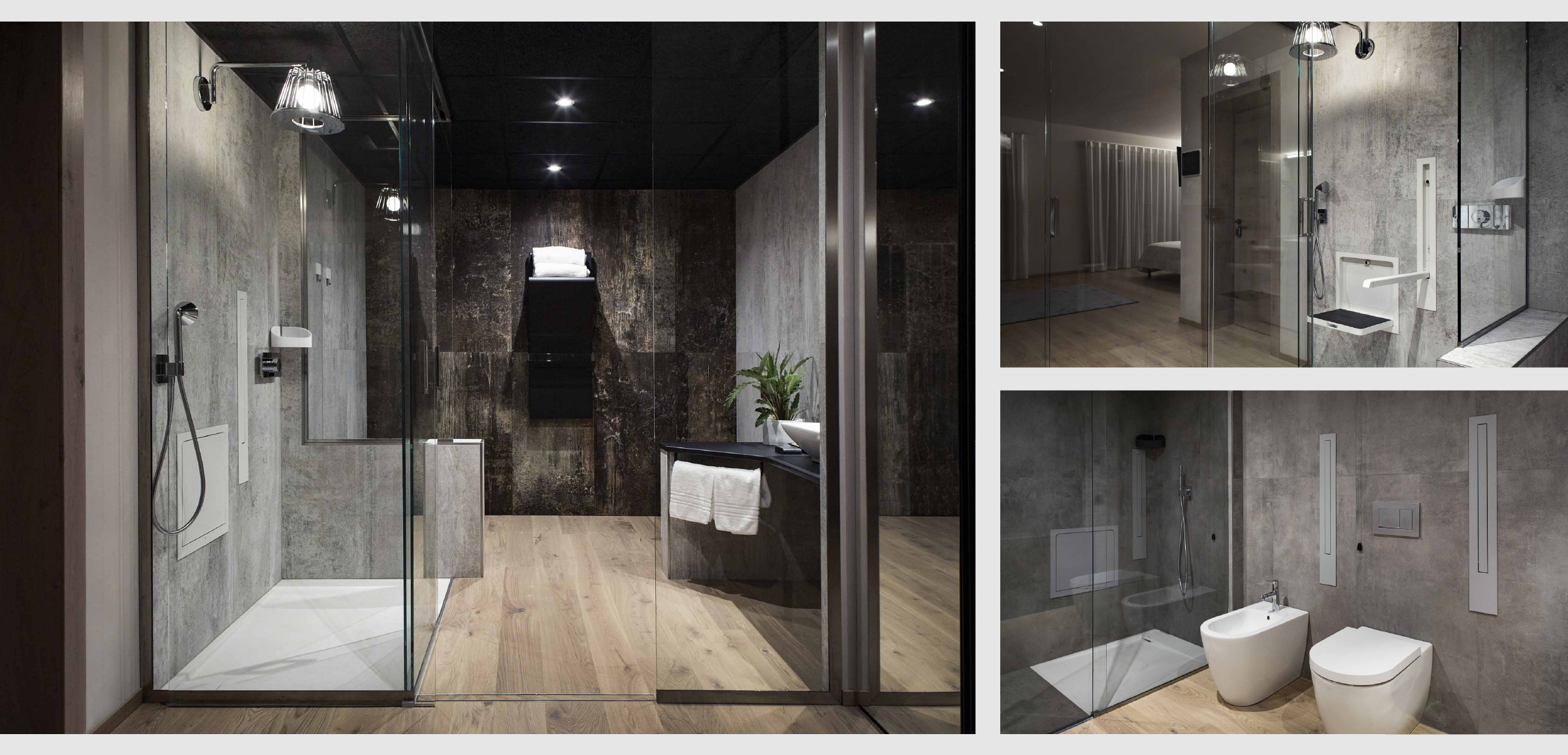
Discover our Solution for Independent and Community Living:
Download Senior Living Brochure
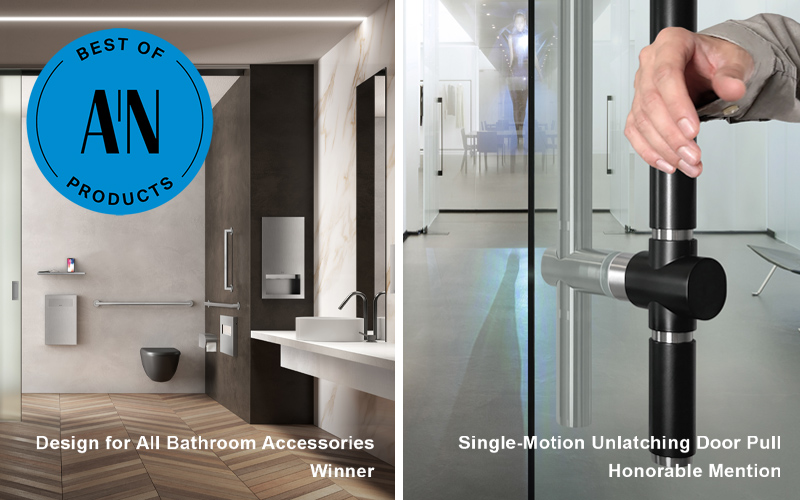
The Architect’s Newspaper announced pba as the winner of the Appliances + Plumbing: Bathroom Category for its Design For All Bathroom Accessories, and the recipient of an honorable mention in the Hardware: Architectural Category for its Single-Motion Unlatching Door Pull, as part of the 2024 Best of Products Awards.
The Architect’s Newspaper’s Best of Products Awards acknowledges the leading manufacturers, designers, engineers, and artisans whose inventions are crucial to the built environment. AN’s awards program celebrates the vast and ever-evolving industry of architectural products, as it’s these that allow architects to build better and bigger projects that can more precisely respond to the world around them.
A consideration for how products operate within a larger ecosystem was a common theme that united many of the winners picks this year. This includes a consideration for the global climate crisis, an issue that prompted designers to devise creative and affordable alternatives and solutions. Beyond sustainability, this year’s winners carefully reflected on how products and building materials influence lifestyle choices, from health and nutrition to hygiene and sanitation habits.

pba developed the Design for All Bathroom Accessories Collection – AN’s Best of Products Winner – to design public spaces that balance practical use and beauty without compromise.
The collection is an expression of materiality and form at its purest. Crafted by hand of AISI 316L stainless steel – the hardest, most resistant, and most elastic of steels – maximum attention was given to creating minimal shapes with refined details, all to reduce visual clutter and to deliver an elevated and user-friendly experience.
From the absence of flanges and exposed hinges to a trademark reveal that imparts a discernible lightness and makes installation on uneven surfaces more forgiving, every item in the range brings an incomparable elegance and sense of modernity to the restroom environment. Conceived to blend into a space rather than to distract the eye, and a step away from the institutional look common to the market, Design for All was developed to support inclusion beautifully.
“Understated and also very utilitarian—but in a more of a minimal, designed way. It wasn’t necessarily bringing so much attention to it, just acknowledging that this is what I am, and this is what I do.” says Brian Messana, Member of the Award Jury and Cofounder Messana O’Rorke.
Related in form and finish, pba‘s new range of Design for All Bathroom Accessories allows designers to source everything they need from one place, ensuring a more unified and seamless integration within spaces. This approach ensures that all users, regardless of physical abilities or limitations, feel included and respected, enjoying the same consideration for their needs and autonomy as everyone else. Designed for all, the collection enhances not only the bathroom experience but also promotes greater inclusivity.
” We are honored to receive these 2024 AN’s 2024 Best of Products Awards. From an inclusive design perspective, the challenge lies in creating more inclusive restrooms with solutions that are both unique and accessible to all. Our goal is to design products that, while originating from the same mold (identical for all), can meet diverse needs. Accessibility is the right to access. When a product fails to provide this, it falls short of being a truly good product.” says Francesca Masiero, President of pba.
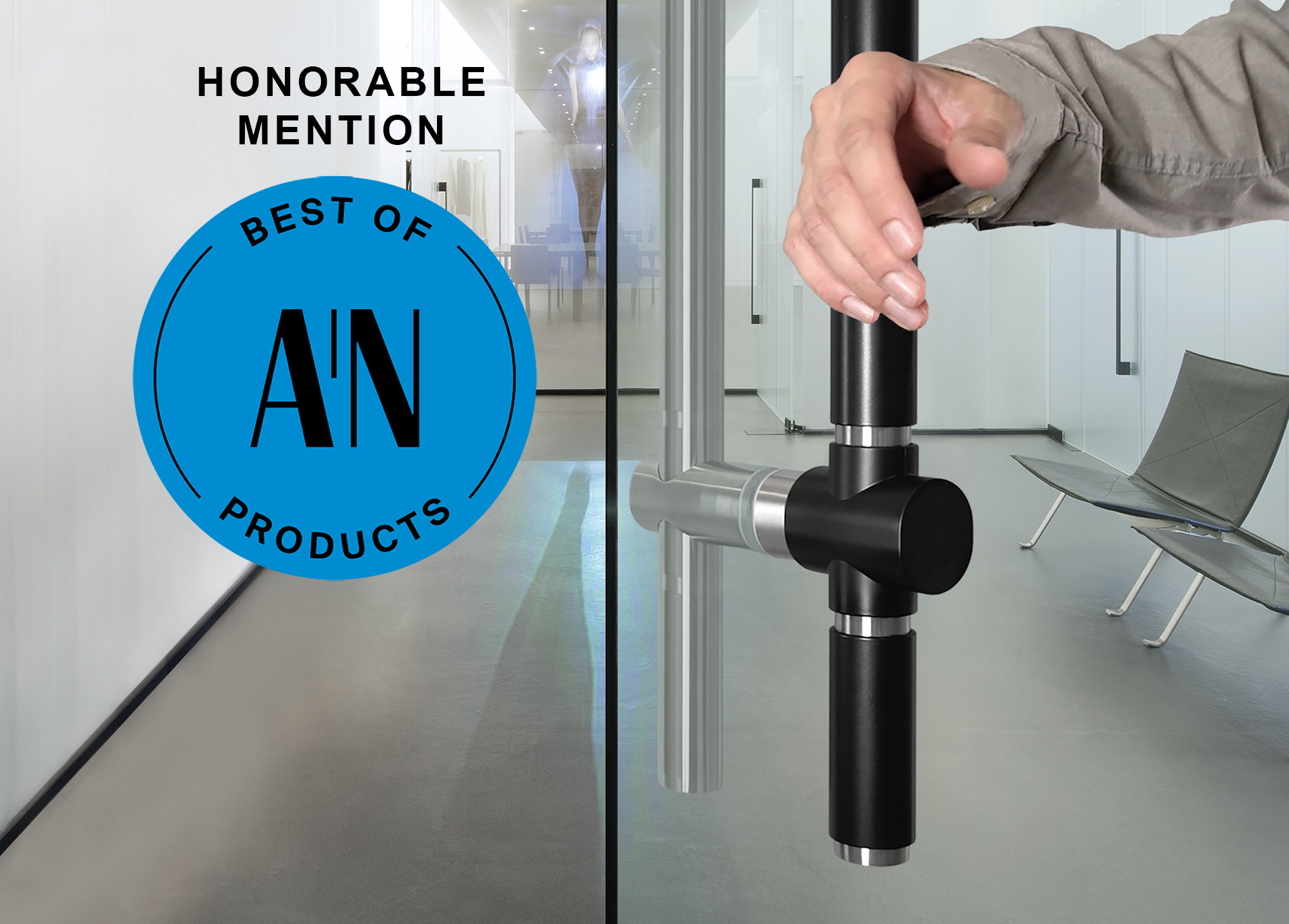
pba also received an honorable mention in the Hardware: Architectural Category for its Single-Motion Unlatching Door Pull, a life-safety hardware that secures glass, wood, and metal swing doors with ultra-easy installation and simple, intuitive use. Ideal for most any type of security door that does not require panic hardware, a gentle push on the exit side grip is all that is required to release the latch and open the door. Operable with a key or electronic card reader on the entry side, the pull requires no electronic sensor or release button on the egress side.
Single-Motion Unlatching Door Pull unlatches and opens the door with a single movement using the Activation Area, easily operable with one hand, without tight grasping, pinching or twisting of the wrist. The Activation Area includes the Grip in powder coated aluminum or leather wrapped and the Push Coupler in ECONYL® regenerated nylon, from waste such as fishing nets, old carpets destined for landfills, plastic components and fabric scraps from mills. As well as being a solution on waste, ECONYL® is also better when it comes to climate change. It reduces the global warming impact of nylon by up to 90% compared with the material from oil.
pba is committed to manufacturing sustainable and recyclable hardware and bathware. The Design for All Bathroom Accessories and the Single Motion Unlatching Door Pull are designed for easy disassembly, allowing for the recycling the individual components at end of their life cycle. The collections have an Environmental Product Declaration (EPD), contribute to LEED requirements and hold a Declare Red List Free label, all contributing to a sustainable future.
All products in these collections meet ADA requirements and are suitable for installations that need to comply with ADA and similar accessibility standards.
pba collaborated with Gensler, serving as product design consultant, in developing these groundbreaking products.