
INCLUSIVE DESIGN
Seen from an inclusive design perspective, the challenge is to create solutions that can simultaneously be unique yet accessible to all. Therefore, a product comes from the same (identical for all) mold, but can meet diverse needs.

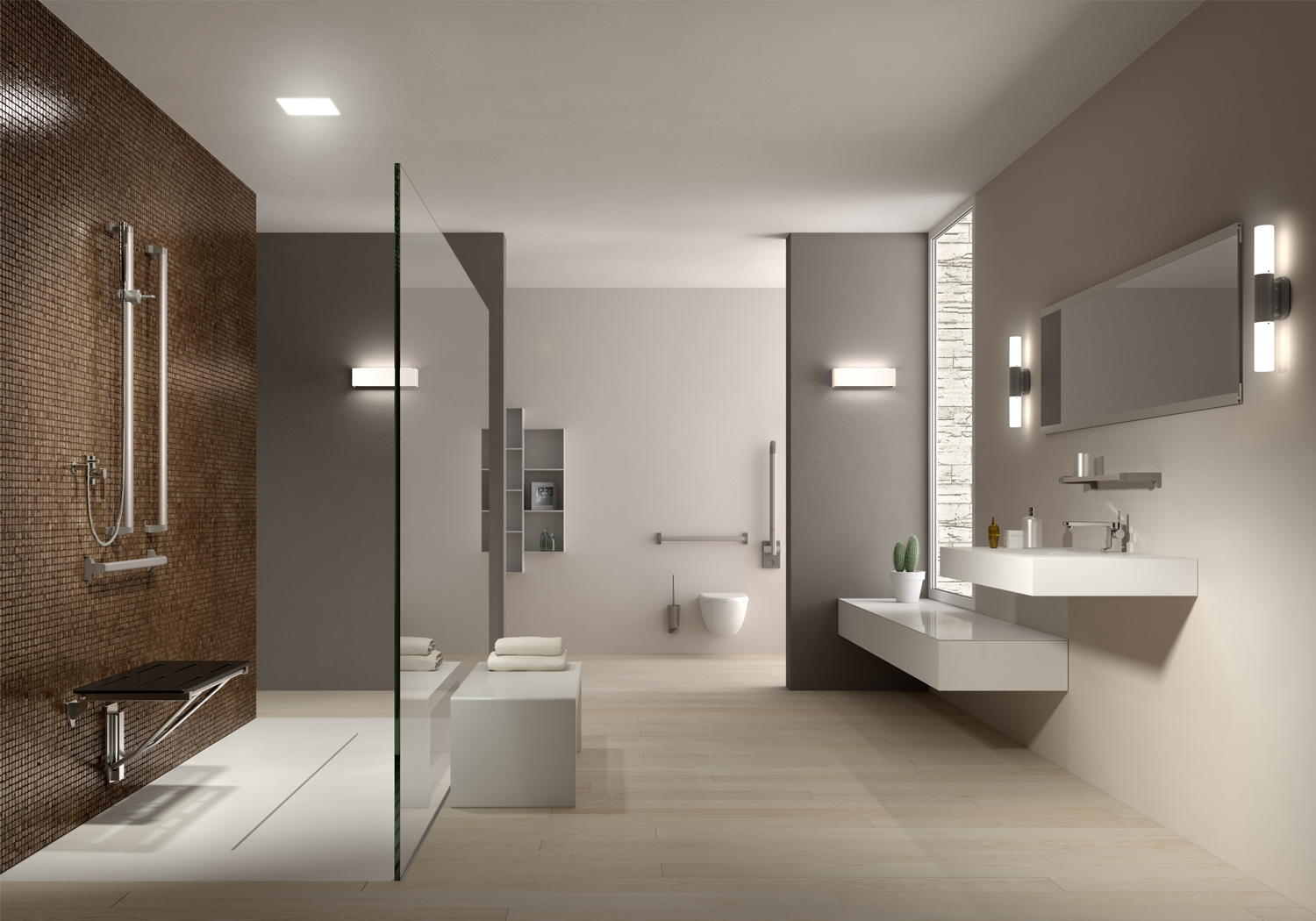
When a product denies this right to someone, this means that it isn’t a good product.
Since 1973 we imagine, develop and manufacture bathware and hardware accessories to make environments inclusive. DFA Design for All™ is an International Registered Trademark owned by pba, covering all our products. Our challenge is to create solutions that are simultaneously unique yet accessible to all; products come to life as industrial projects (identical for all), but can meet diverse needs: hence Design for All.
Inclusive Design is an approach to developing products and projects that empower people of all backgrounds and abilities by addressing their diverse needs. Rather than focusing solely on expanding user numbers, it emphasizes meeting as many individual requirements as possible. Unlike Accessible Design or Universal Design, inclusive design actively examines the experiences and barriers that might exclude people and provides thoughtful, flexible accommodations to ensure everyone can participate fully. It also embraces sensory-friendly design—creating environments and products that reduce overwhelming stimuli (such as harsh lighting, loud noises, or cluttered layouts) and offers calm, customizable options – small custom adjustments – to support people with sensory sensitivities (stimuli).
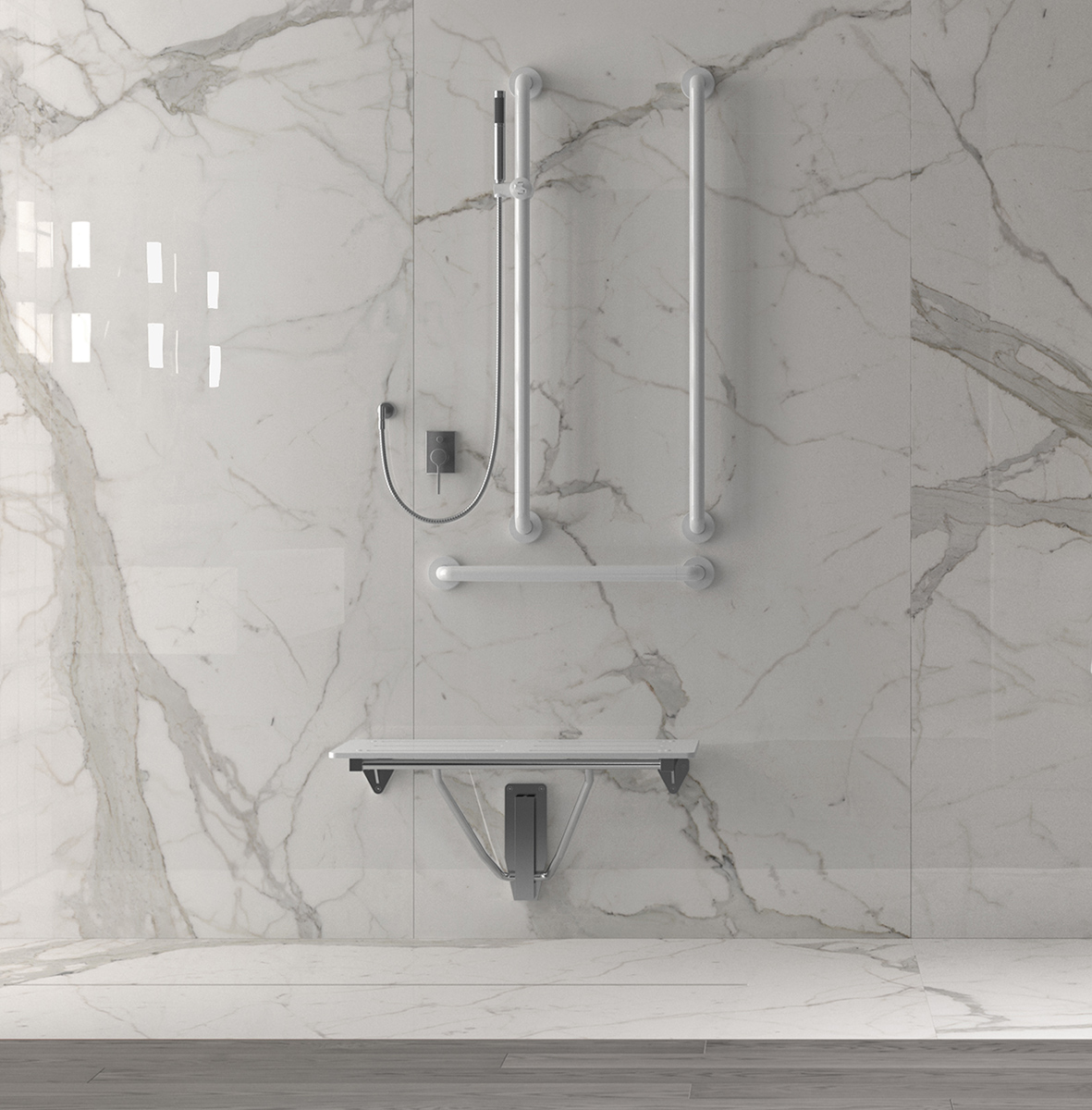
The ADA emphasizes grab bars to maintain balance and prevent falls.
Grab bars must be firmly secured to the anchors and the wall in order for them to support the weight they are designed for.
Soap Dispensers must meet ADA reach range and mounting height requirements. A 48-inch-high limitation is required for all accessories (except those mounted over obstructions), including lavatory fixtures, which are up to 20 inches (508 mm) deep. The ADA states that mirrors need to be mounted with the bottom edge of the reflecting surface no higher than 40 inches (1016 mm) above the floor, with the top edge at a minimum of 74 inches (1879 mm) from the floor. Trashcan that can be on the floor, for example, is a barrier when it comes to someone in a wheelchair reaching for a dispenser mounted above it. A better solution is a recessed trash receptacle or combination paper towel dispenser/trash receptacle.
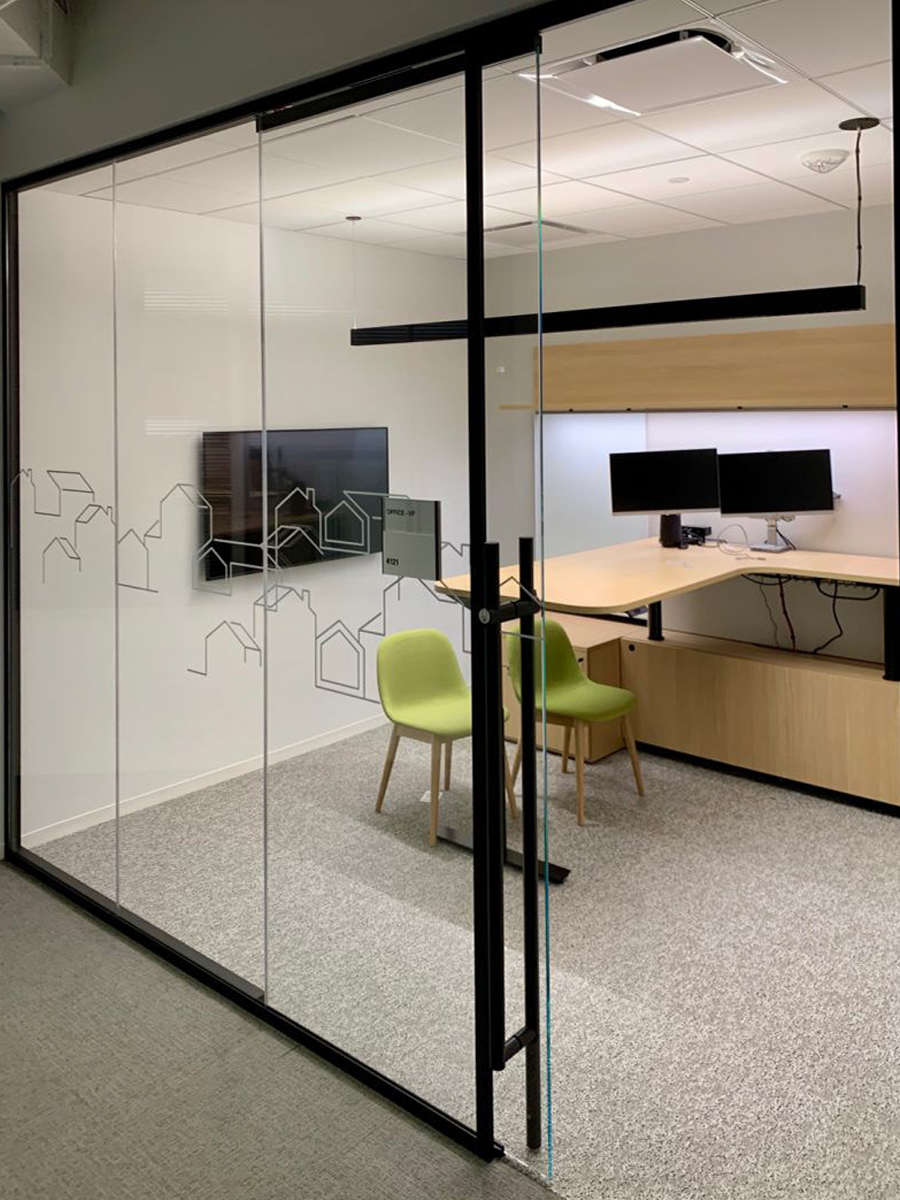
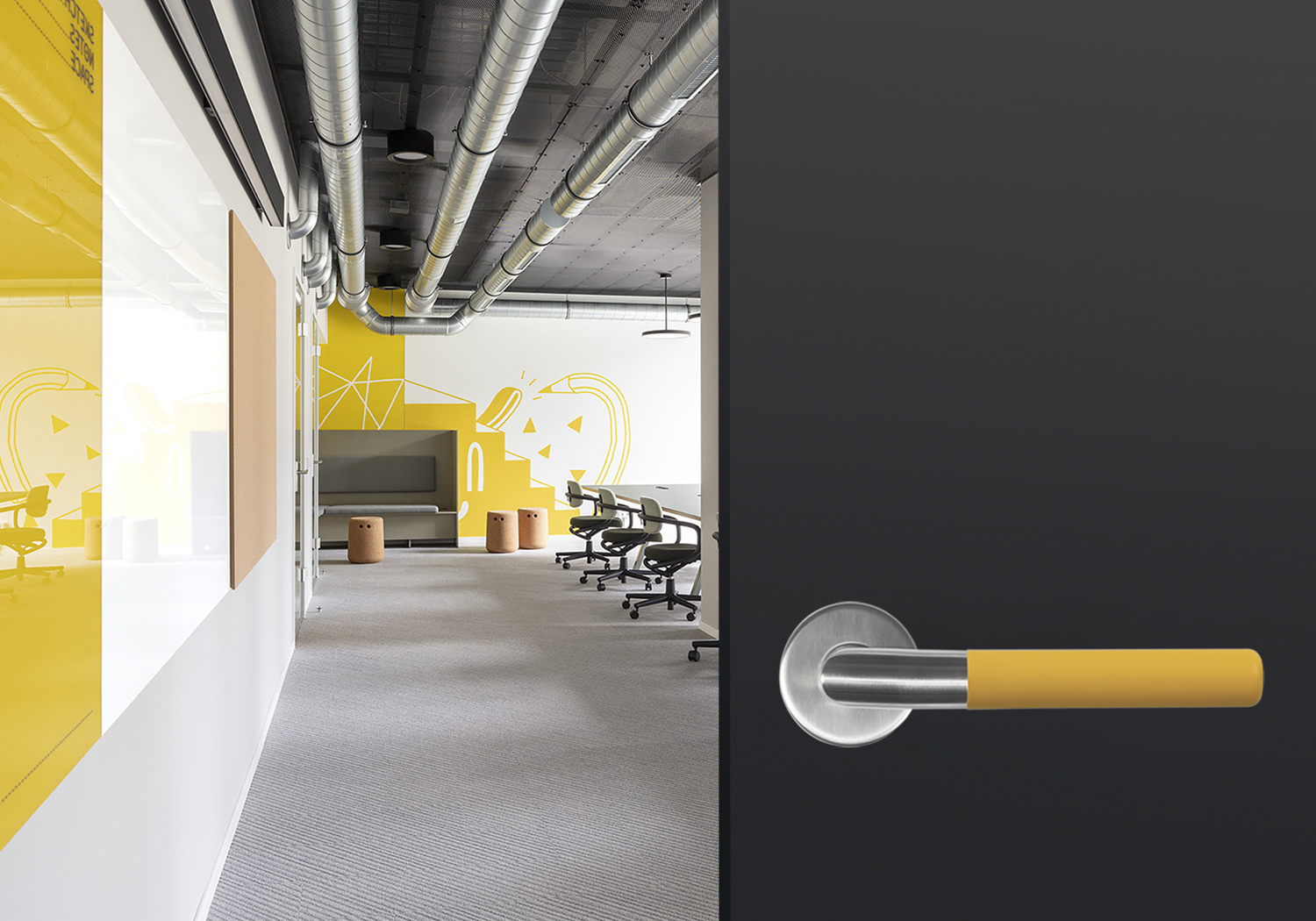
ADA compliant locks, exit devices, handles, pulls, latches, and other operable parts on doors shall comply with below indications:
Operable parts of such hardware shall be 34 inches (863 mm) minimum and 48 inches (1219 mm) maximum above the finish floor or ground.
Operable parts shall be operable with one hand and shall not require tight grasping, pinching, or twisting of the wrist. Most lever-operated mechanisms, push-type mechanisms, and U-shaped handles are acceptable designs. The force required to activate operable parts shall be 5 pounds (22.2 N) maximum.
Door hardware that can be operated with a closed fist or a loose grip accommodates the greatest range of users. Hardware that requires simultaneous hand and finger movements require greater dexterity and coordination, and is not recommended.
Design must abide by the 7 principles of universal design. Ronald Mace and his brilliant working group’s guidelines have to lead the design process when developing environments and products for all.
The design is useful and marketable to people with diverse abilities.


The design accommodates a wide range of individual preferences and abilities.

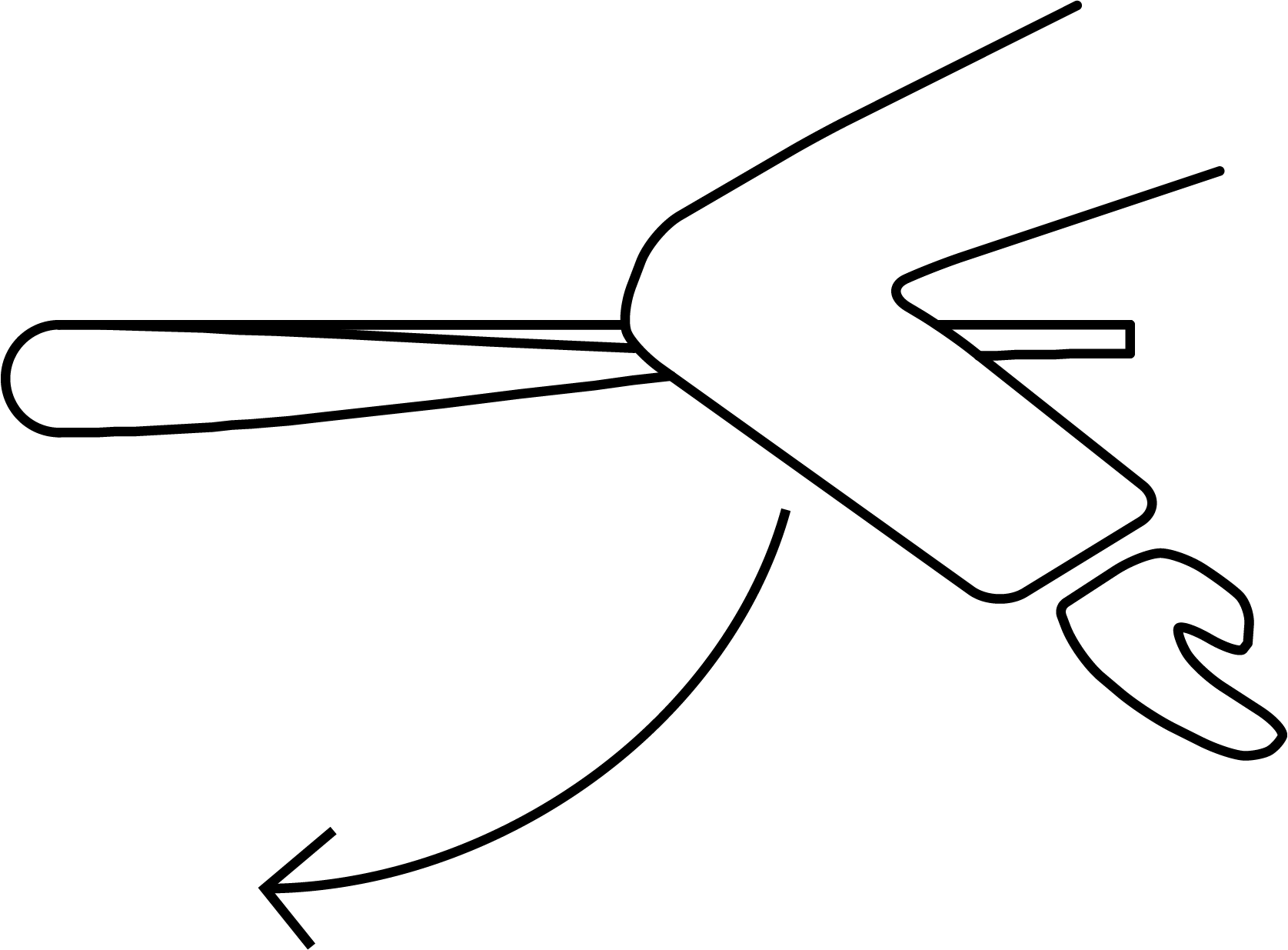
Use of the design is easy to understand, regardless of the user’s experience, knowledge, language skills, or current concentration level.


The design communicates necessary information effectively to the user, regardless of ambient conditions or the user’s sensory abilities.


The design minimizes hazards and the adverse consequences of accidental or unintended actions.

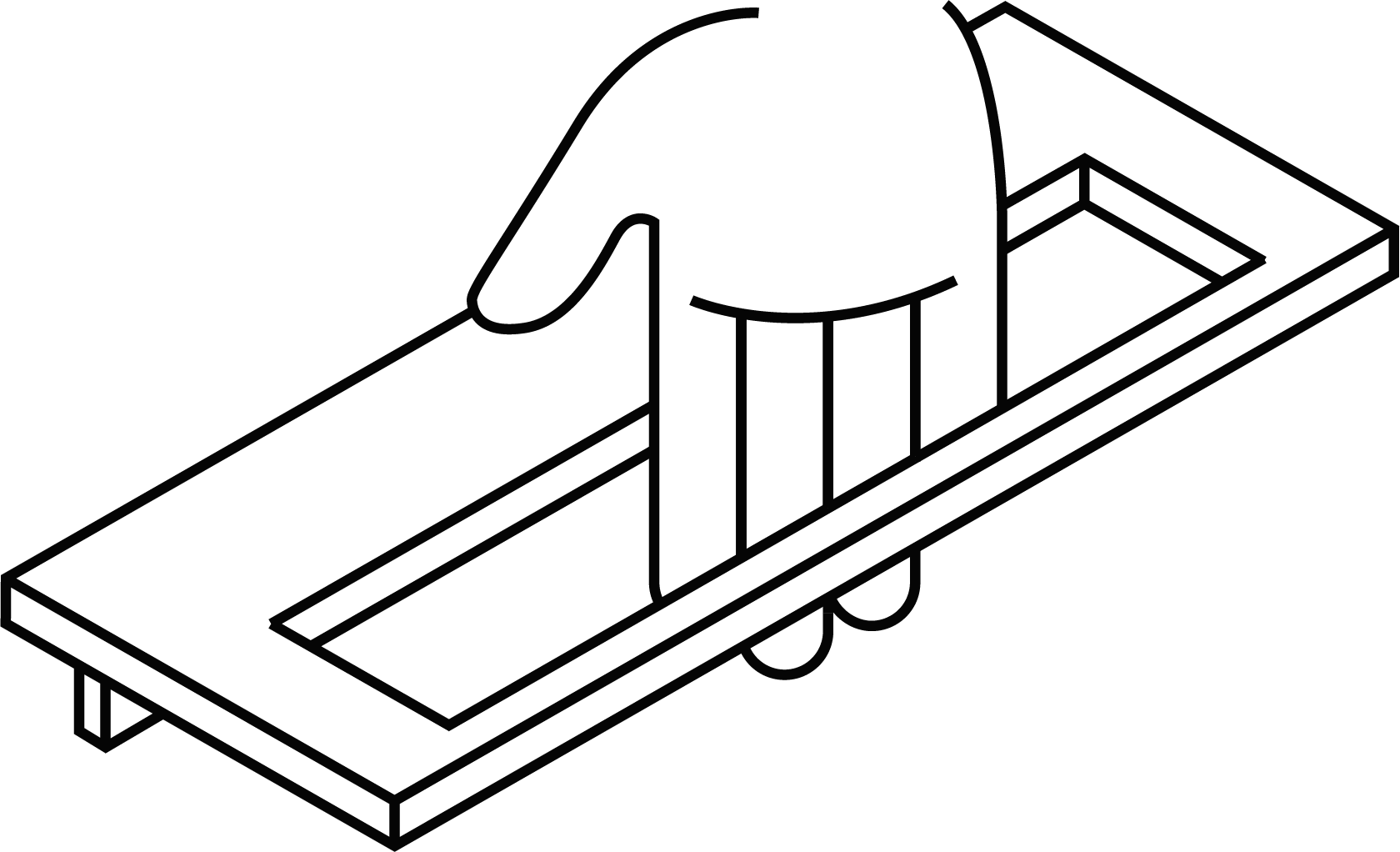
The design can be used efficiently and comfortably and with a minimum of fatigue.


Appropriate size and space is provided for approach, reach, manipulation, and use regardless of user’s body size, posture, or mobility.